N.E.T. Expands Its Presence in Asia and Broadens Its Gas Sensing Technologies
N.E.T. Expands Its Presence in Asia and Broadens Its Gas Sensing Technologies
N.E.T. provides gas sensing technologies for OEM manufacturers across Asia, including NDIR, electrochemical, catalytic and thermal conductivity sensing, with new developments in TDLAS laser-based detection.
Asia is becoming an increasingly important market for industrial gas sensing, driven by developments in advanced manufacturing, HVAC-R, hydrogen technologies, energy infrastructure and industrial safety.
For N.E.T., this evolution represents an opportunity to strengthen relationships with OEM manufacturers, system integrators and technical partners across China, Japan and South Korea.
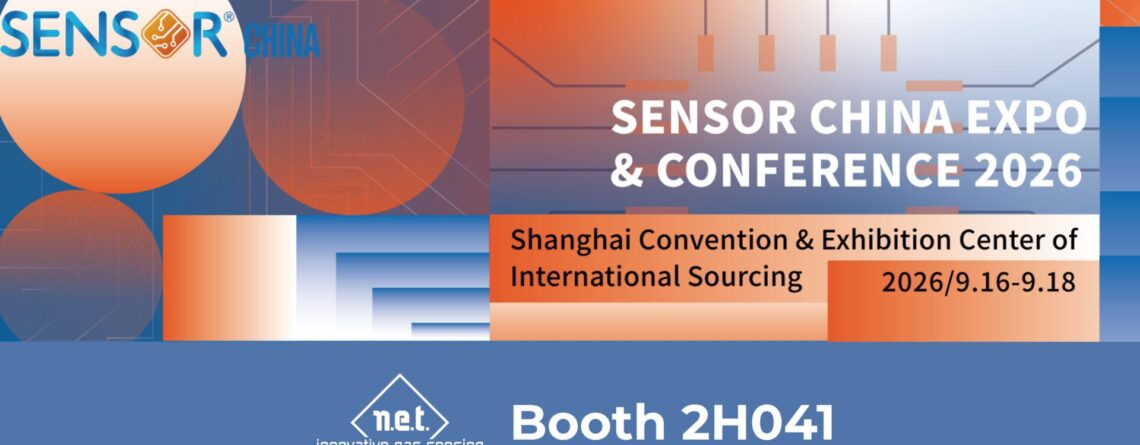
N.E.T.’s participation in Sensor China 2026, September 16–18, booth 2H041 is part of this broader strategy: increasing our presence in Asian markets while continuing to develop sensing technologies for emerging industrial requirements.
At the same time, our technology portfolio is evolving beyond our established NDIR, electrochemical and catalytic sensing platforms, with new developments in thermal conductivity sensing for hydrogen and TDLAS laser-based gas detection.
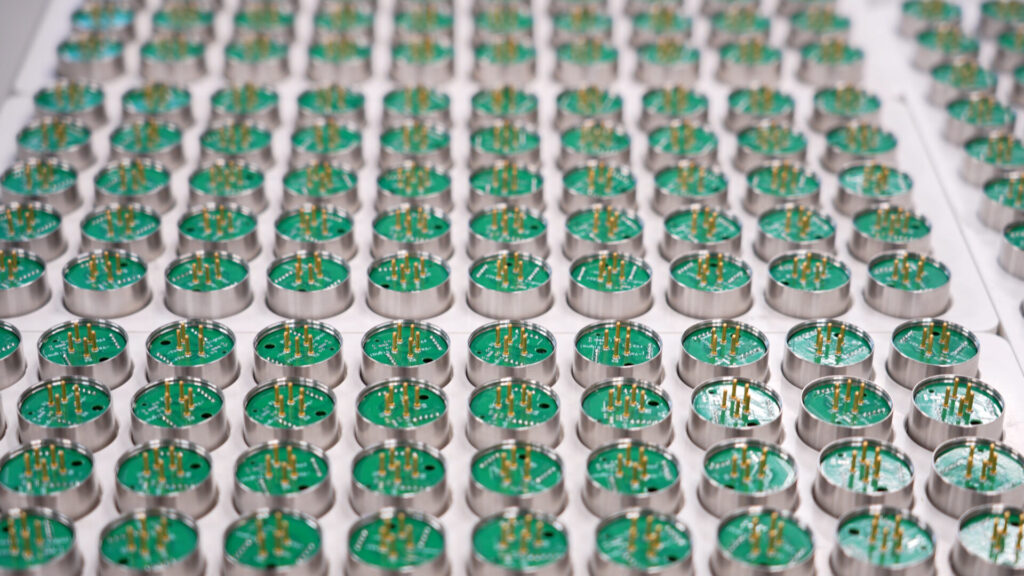
N.E.T. designs and manufactures gas sensing technologies in Italy and supports OEM customers worldwide from its headquarters near Milan.
Strengthening our presence in Asia therefore means developing closer relationships maintaining the direct technical support and manufacturing approach that characterise N.E.T.’s OEM business.
Planning a gas sensing project for the Asian market?
Contact our technical team to discuss sensing technologies, integration requirements and OEM applications: sales@nenvitech.com
What Gas Sensing Technologies Does N.E.T. Offer to OEM Manufacturers?
Different gases and applications require different measurement principles.
There is no single sensing technology that provides the optimal solution for every gas, concentration range or operating environment.
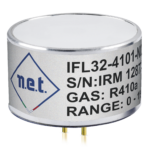
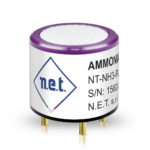
For this reason, N.E.T.’s technology portfolio includes several sensing principles:
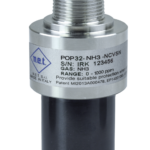
TDLAS laser absorption technology
This multi-technology approach allows the sensing principle to be selected according to the target gas and the specific requirements of the OEM application.
Why Is Thermal Conductivity Relevant for Hydrogen Detection?
Hydrogen presents specific sensing challenges because of its physical properties and its growing use across energy and industrial applications.
Thermal conductivity sensing offers an alternative measurement principle for applications where Hydrogen concentration can be detected through the difference between the thermal conductivity of hydrogen and that of the surrounding gas mixture.
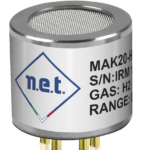
N.E.T. has introduced this technology through the MAK sensor, developed specifically for hydrogen monitoring.
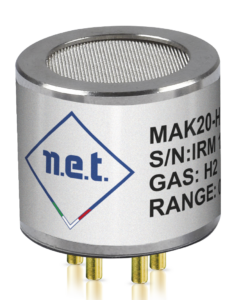
The MAK sensor uses a Thermal Conductivity, or katharometric, measurement principle and extends the range of technologies available to OEM manufacturers developing equipment for hydrogen-related applications.
Typical application areas include hydrogen production, fuel cells, electrolysers and other systems connected with the growing hydrogen economy.
What Is TDLAS and Why Is It Relevant for Gas Detection?
N.E.T. is also expanding its technology portfolio with TDLAS Tunable Diode Laser Absorption Spectroscopy.
TDLAS determines gas concentration by measuring the absorption of laser light at specific wavelengths associated with the target gas.
One of the main advantages of this principle is its ability to detect gases at very low concentrations, including ppm ranges, while providing high selectivity and fast response.
N.E.T.’s initial developments in this field focus on methane and ammonia detection for industrial applications requiring high sensitivity.
TDLAS technology can support applications such as methane leak monitoring, industrial gas measurement and other environments where selective trace-gas detection is required.
At this stage, laser sensing represents another step in the diversification of N.E.T.’s gas sensing capabilities, complementing the company’s established sensing technologies.
Why Is N.E.T. Strengthening Its Presence in Asia?
China, Japan and South Korea represent three of the most technologically advanced industrial markets in Asia.
Across these countries, OEM manufacturers are developing increasingly sophisticated equipment for applications including:
- HVAC-R and refrigeration
- Industrial safety
- Hydrogen production and utilisation
- Energy infrastructure
- Oil and gas monitoring
- Industrial process control
For gas sensor manufacturers, supporting these applications requires more than supplying a sensing component.
OEM customers increasingly need reliable technology, long-term product availability, integration support and direct access to technical expertise during product development.
Why Is Methane Detection Receiving Increasing Attention?
Methane monitoring is becoming increasingly relevant across the energy sector, particularly in oil and gas production, transportation, distribution and storage.
Regulation (EU) 2024/1787 introduces new requirements aimed at reducing methane emissions in the energy sector, further increasing the importance of reliable methane monitoring technologies.
Applications can include:
- Oil and gas pipeline monitoring
- Gas distribution infrastructure
- LNG, LPG and CNG storage areas
- Industrial gas installations
- Process monitoring equipment
Measurement technologies capable of detecting methane at low concentrations may therefore become increasingly important for both fixed monitoring equipment and portable or robotic inspection systems.

N.E.T. at Sensor China 2026
Sensor China 2026, September 16–18, booth 2H041 represents an important opportunity for N.E.T. to meet manufacturers, engineering teams and partners from across the Asian market.
Our participation reflects two parallel developments within the company:
a stronger presence across China, Japan and South Korea, and a broader portfolio of gas sensing technologies.
From established NDIR and electrochemical technologies to thermal conductivity sensing for hydrogen and emerging TDLAS solutions, N.E.T. continues to develop its capabilities around the requirements of industrial and OEM gas detection applications.
All N.E.T. sensing technologies are developed with a common objective: enabling manufacturers to integrate reliable gas detection into their own equipment with direct technical support from our engineering team.