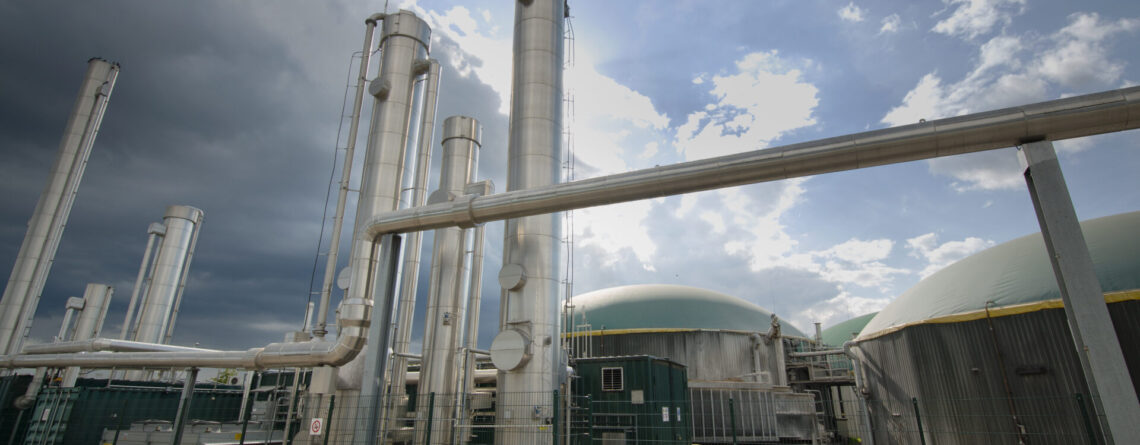
Gas Detection for Biogas and Landfill Gas Plants
Typical Gas Detection Challenges in Biogas Plants
Biogas and Landfill Gas applications expose gas detection systems to some of the most aggressive industrial conditions.
Corrosive Atmospheres
Biogas and LFG may contain Hydrogen Sulphide (H₂S), acidic compounds and contaminants capable of damaging standard sensor materials and reducing operational lifetime.
High Humidity and Condensation
Digesters, upgrading systems and gas pipelines frequently generate environments with high humidity and condensation, which can negatively affect sensor performance and stability.
Continuous 24/7 Monitoring Requirements
Biogas facilities require continuous gas monitoring to prevent methane leaks, optimize process efficiency and reduce unplanned downtime.
Hazardous Area Compliance
Many Biogas and LFG installations operate in potentially explosive atmospheres where ATEX or IECEx certified equipment is required.
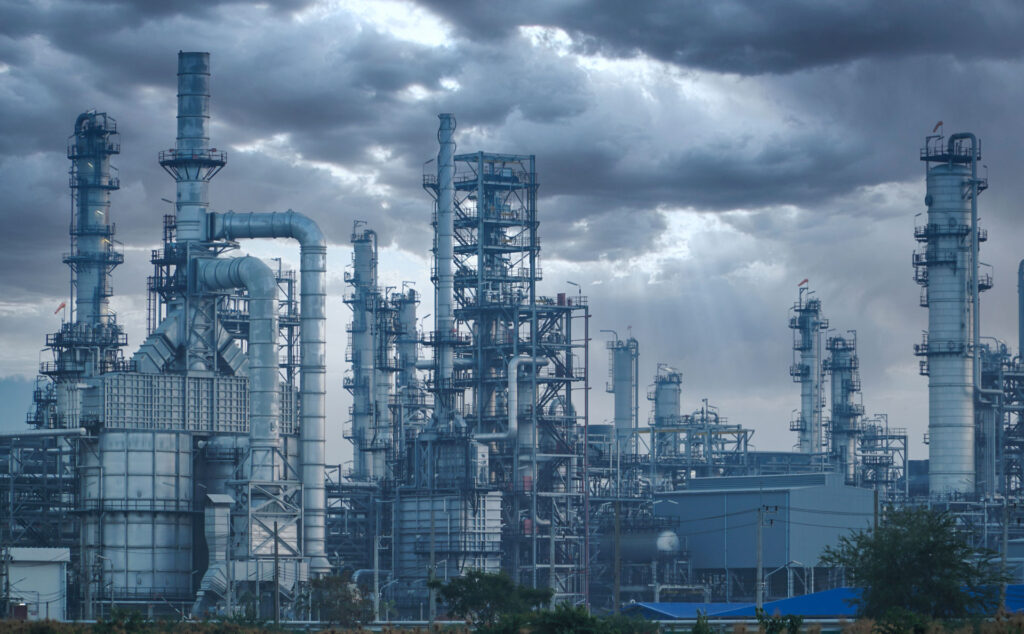
What are Biogas and Landfill Gas?
Biogas and Landfill Gas are generated through anaerobic digestion processes, where organic material decomposes in the absence of oxygen.
Biogas can originate from:
- Agricultural waste
- Manure
- Sewage sludge
- Food waste
- Municipal organic waste
- Green waste
Landfill Gas is generated by the degradation of municipal solid waste inside landfills.
Although produced in different environments, both gases mainly consist of:
- Methane (CH₄)
- Carbon Dioxide (CO₂)
Additional gases may also be present, including:
- Hydrogen Sulphide (H₂S)
- Moisture
- Volatile Organic Compounds (VOCs)
Because Methane is both flammable and a powerful greenhouse gas, reliable gas detection systems are essential in both Biogas and Landfill Gas applications.
Why Continuous Gas Monitoring Matters in Biogas Applications
Reliable gas detection solutions help plant operators improve both safety and operational efficiency.
Continuous monitoring systems are commonly used to:
- Prevent methane leak accumulation
- Reduce explosion risks
- Improve worker safety
- Optimize gas upgrading efficiency
- Monitor gas engine performance
- Reduce environmental emissions
- Support regulatory compliance
- Protect infrastructure and equipment
Typical monitoring points include:
- Digester systems
- Gas storage areas
- Compressor rooms
- Gas upgrading units
- CHP systems and gas engines
- Landfill gas extraction systems
In many countries, environmental and safety regulations require continuous methane monitoring in landfill and Biogas facilities.
Why NDIR Technology is Used for Biogas Gas Detection
NDIR (Non-Dispersive Infrared) technology is widely used for Methane and Carbon Dioxide monitoring because it offers significant advantages in continuous industrial applications.
- High long-term stability
- Reduced maintenance requirements
- Excellent selectivity
- Reliable measurements in humid environments
- Long operational lifetime
- Stable performance in continuous monitoring systems
For industrial Biogas and LFG applications, NDIR technology is commonly preferred for accurate CH₄ and CO₂ monitoring over extended operating periods.
IRNET PRO NDIR Sensors for Biogas and Landfill Gas Monitoring
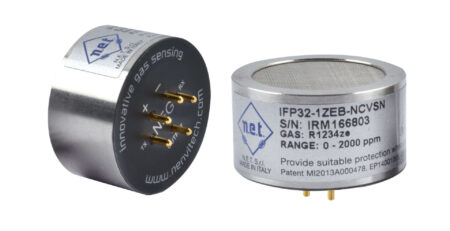
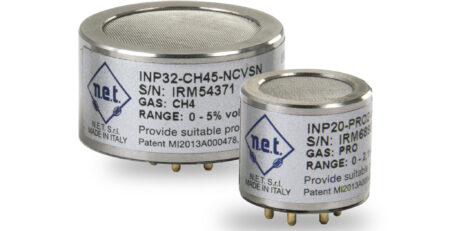
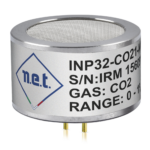
N.E.T. IRNET PRO sensors are specifically designed for OEM gas detection systems operating in harsh industrial environments.
Accurate CH₄ and CO₂ Monitoring
IRNET PRO sensors provide reliable monitoring of:
- Methane (CH₄)
- Carbon Dioxide (CO₂)
across the full 0–100% volume detection range.
This allows accurate gas analysis in applications where concentration levels may vary significantly during operation.

Resistant to Harsh Biogas Environments
IRNET PRO sensors feature:
- Rugged stainless-steel construction
- Protective coatings
- Industrial-grade design
These characteristics improve resistance against:
- Corrosive gases
- Humidity
- Condensation
- Aggressive atmospheres
commonly found in Biogas and Landfill Gas plants.
ATEX and IECEx Certified Versions Available
IRNET PRO sensors are available in:
- ATEX certified versions
- IECEx certified versions
for safe operation in hazardous and classified industrial areas.
Designed for OEM Integration
N.E.T. IRNET sensors are widely integrated into:
- Fixed gas detection systems
- Continuous monitoring instruments
- Industrial safety devices
- Biogas upgrading systems
- Environmental monitoring equipment
All N.E.T. IR sensors are fully developed and manufactured in Italy, ensuring consistent quality standards, technical reliability and dedicated OEM support.
Advantages of Reliable Methane and CO₂ Monitoring
Implementing accurate gas detection solutions in Biogas and Landfill Gas plants helps operators:
- Improve plant safety
- Reduce methane emissions
- Increase operational reliability
- Optimize energy recovery efficiency
- Improve process control
- Reduce maintenance requirements
- Support environmental compliance
- Protect personnel and infrastructure
Reliable monitoring systems also contribute to improving the long-term stability and efficiency of renewable energy operations.
What is the difference between Biogas and Landfill Gas?
Biogas is generated from the anaerobic digestion of organic materials such as food waste, sewage sludge or agricultural waste. Landfill Gas is produced by the decomposition of municipal solid waste inside landfills. Both mainly consist of Methane (CH₄) and Carbon Dioxide (CO₂).
Why is methane monitoring important in Biogas plants?
Methane is highly flammable and represents a significant explosion risk if leaks occur. Continuous methane monitoring helps improve plant safety, reduce environmental emissions and support regulatory compliance.
Which gases are commonly monitored in Biogas and LFG applications?
The primary gases monitored are:
- Methane (CH₄)
- Carbon Dioxide (CO₂)
Additional gases may include:
- Hydrogen Sulphide (H₂S)
- VOCs
- Oxygen (O₂)
depending on the application.
Why are NDIR sensors used for CH₄ and CO₂ detection?
NDIR technology provides high stability, low maintenance requirements and reliable long-term monitoring, making it ideal for industrial Biogas applications.
Can gas sensors operate in humid Biogas environments?
Yes. Industrial-grade NDIR sensors designed for harsh environments can operate reliably in humid and condensation-prone applications commonly found in Biogas plants.
Are ATEX sensors required in Biogas plants?
Many Biogas and Landfill Gas installations include hazardous areas where ATEX or IECEx certified equipment is required to ensure safe operation.
What detection range do N.E.T. IRNET sensors provide?
IRNET sensors provide a full 0–100% volume detection range for Methane (CH₄) and Carbon Dioxide (CO₂).
Looking for Reliable Gas Sensors for Biogas Applications?
N.E.T. develops advanced NDIR gas sensing solutions for continuous Methane (CH₄) and Carbon Dioxide (CO₂) monitoring in Biogas and Landfill Gas plants.
Our IRNET sensors are designed for:
- Harsh industrial environments
- Continuous monitoring systems
- OEM gas detection integration
- Hazardous area installations
- Long-term operational reliability
Whether you are developing industrial gas detection systems, Biogas upgrading equipment or environmental monitoring solutions, our team can help you identify the right sensing technology for your application.
Need support for your gas detection system design?
Our technical team supports OEM manufacturers and system integrators in selecting the right sensing solution for Biogas and LFG applications.
info@nenvitech.com